

The Home Energy Model (HEM) is the government's confirmed replacement for the Standard Assessment Procedure (SAP) for rating the energy performance of dwellings in the UK. It is not yet live. SAP 10.3...

The roadmap to MEES compliance now runs to a single hard milestone: an EPC B rating by 2031 for commercial buildings over 1,000 square metres, where cost-effective. The previously proposed 2027 EPC C interim...

CIBSE published TM59:2026 – Overheating Risk in Dwellings: A Design Stage Methodology, the first major revision since the original 2017 edition. The update replaces a single-pass compliance check with...

A TM54 operational energy assessment is the CIBSE methodology for evaluating how much energy a building will actually consume once it is occupied, carried out at the design stage. It answers the question...

A TM44 air conditioning report is a legally mandated energy assessment for air conditioning systems with an effective rated output above 12kW in the UK. The inspection must be carried out by an accredited...

The Draft London Plan was published on Thursday 16 July 2026, and it represents a decisive shift in how the capital approaches growth, housing delivery, and spatial strategy. For developers, landowners,...
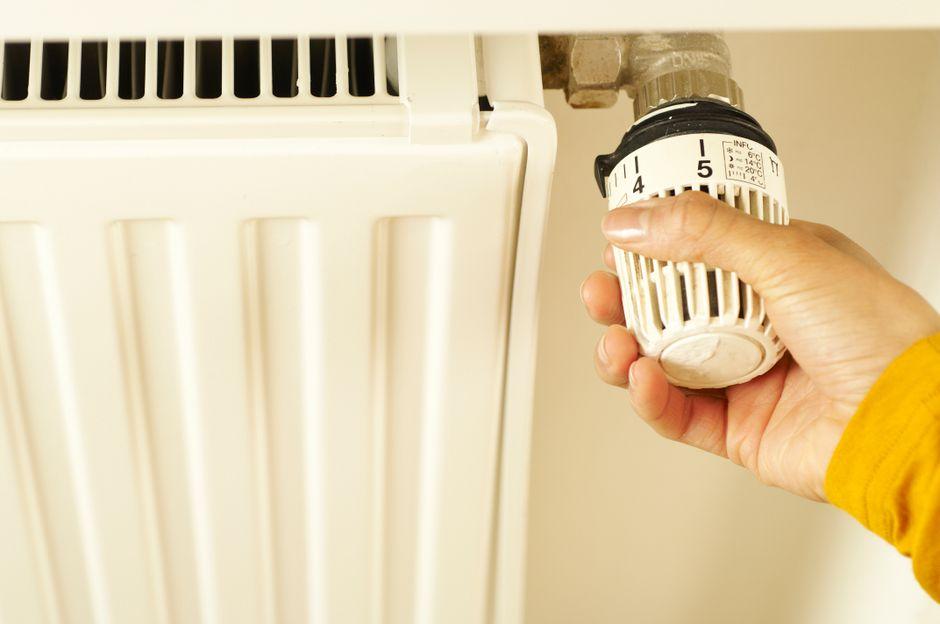
For UK building services engineers, producing defensible heating and cooling load calculations is a non-negotiable part of design. This guide focuses on the practical application of CIBSE loads through...

If you are developing new residential property in England or Wales, Part O overheating compliance is now one of the most scrutinised elements of the Building Regulations sign-off process. What began in...

If you own or manage a commercial property in England or Wales, TM44 Air Conditioning inspections are not a voluntary energy-saving exercise. They are a statutory legal requirement, enforced by local trading...

Understanding the global demand for lithium is no longer a niche concern for mining analysts; it is a boardroom priority for any organisation involved in the energy transition. The numbers tell a compelling...