
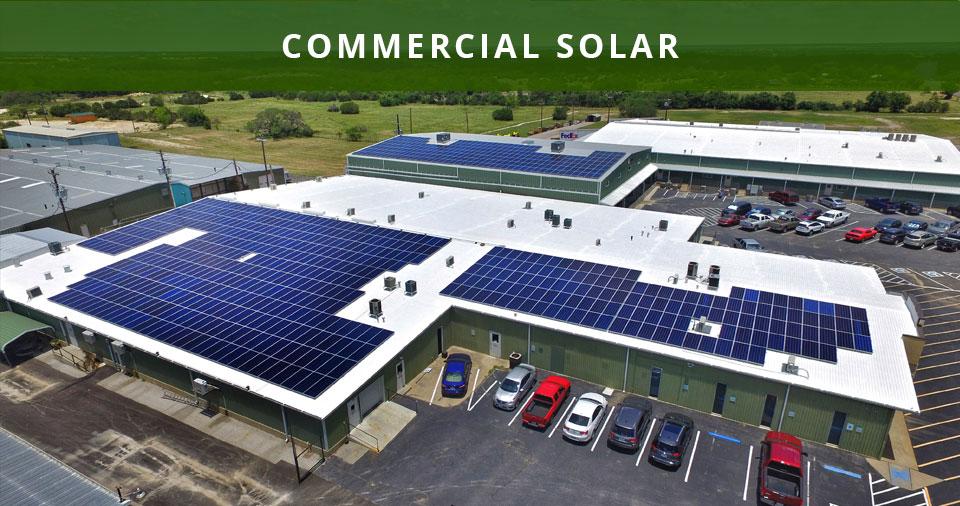
Commercial solar PV is increasingly seen as a smart way for UK businesses to cut energy bills, improve sustainability credentials, and support EPC and MEES compliance. It is, however, not the correct solution for every building.
Before committing to a commercial solar panel installation, it is important to understand whether your property is technically, operationally, and financially suitable.
This practical checklist helps landlords, property managers, and business owners assess whether solar PV makes sense for their building and when expert modeling and compliance advice is essential.

1. Is Your Commercial Roof Suited for Solar Panels?
Probably the very first question that businesses ask is: Is my commercial building suitable for solar panels?
Key factors that include the following when it relates to the roofs:
-
- Roof Type: Flat and Low-Pitched roofs usually are best for Commercial Rooftop Solar Panels.
- Available space: Larger areas of unbroken roof space enable more efficient system design.
- Structural capacity: The roof must support panel weight and mounting systems
- Shading: Nearby buildings, plant equipment, or trees can cut the production of solar electricity
Flat roofs are common across warehouses, offices, and retail units, making them well suited to solar PV when properly assessed.
A professional feasibility review ensures that your roof can take the paneling for commercial buildings without compromising its performance and safety.
2. Does Building Orientation and Location Matter?
Yes, it does. Orientation and exposure are critical in producing energy.
The various factors that influence performance include :
-
- South, east, or west-oriented roof surfaces
- Local shading throughout the year
- Regional daylight levels across the UK
Results show that even buildings without ideal orientations can apply solar energy in commercial buildings, provided that the systems are designed using realistic modeling rather than assumptions.
3. How Much Energy Does Your Business Use?
One common question is: how much electricity does the business need for solar to be viable?
Commercial solar works best when:
-
- The building has flat daytime energy use.
- Energy demand coincides with solar generation hours.
- On-site consumption is high, dependency on export is reduced.
Places where this should yield the most benefit include warehouses, offices, and places of manufacture, but also data-driven buildings.
It is critical to understand patterns of usage before investing in a commercial installation of solar power.
4. Can Solar PV Improve EPC Ratings and Support MEES?
The question many landlords ask is: will installing solar PV help meet MEES regulations?
Solar PV can help in improving EPC by reducing the predicted energy demand and carbon impact. Outcomes, however, vary based upon:
-
- Existing EPC rating
- Building fabric and services
- System size and energy offset
Here is the core of dynamic simulation modeling, which allows realistic prediction of EPC uplift, rather than relying on generic assumptions.
On properties looking to comply with Minimum Energy Efficiency Standards EPC, the works for solar panels to be used commercially are part of a much bigger upgrade strategy.
5. Does Your Building Type Suit?
Commercial solar is generally appropriate for:
-
- Offices that have regular working hours
- Large-roof-area warehouses
- Industrial buildings with stable loads
- Retail units with daytime use
Poor roof access, heavy shading, or low energy use may require alternative or complementary solutions in some buildings.
Understanding suitability early avoids wasted cost and underperforming systems.
6. What Is the Realistic Payback for Commercial Solar?
Another important issue is the commercial solar payback period for UK businesses.
-
- Payback depends on the
- Installation Cost
- Energy offsetting versus export
- Business hours
- Grid electricity prices
Where long-term value is indeed strong in many systems, realistic projection requires proper modeling, not headline estimates.
7. Modelling matters before installation.
Poor forecasting causes many commercial solar projects to result in unexpectedly poor outcomes.
Using Solar PV Modelling for EPC and MEES compliance, specialists will be able to:
-
- Predict real energy generation
- Assess EPC impact accurately
- Test with various system sizes and geometries.
- Pre-identify financial & compliance outcomes before install
This approach reduces risk and secures solar investment, supporting wider building performance goals.
8. Checklist of Practical Commercial Solar PV Suitability
Before proceeding, ask:
-
- Is my roof structurally suitable and largely unshaded?
- Do I have enough roof space for a meaningful generation?
- Does my building use energy during daylight hours?
- Am I targeting EPC improvement or MEES compliance?
- Have I modelled realistic energy and financial outcomes?
If several of these are yes, then commercial solar PV may be a strong fit.
How CCA Environmental Helps Businesses Make the Right Choice

CCA Environmental supports businesses at the decision and planning stages, not just in the actual installation.
We help the clients understand:
-
- Whether commercially viable solar panels currently exist for commercial buildings
- How solar impacts EPC ratings and compliance strategies
- What is the system size delivering realistic performance?
- Whether it should be standalone solar or part of wider upgrade plans
By combining energy modelling with EPC expertise and compliance insight, we provide clarity and confidence to businesses looking to invest.
FAQs: Commercial Solar PV Suitability
1. Is commercial solar PV worth it for my building?
It depends on the suitability of the roof, energy usage, and goals regarding compliance. A feasibility assessment clears the air before investment.
2. Is a flat roof a good match for a commercial solar panel?
Yes. Flat roofs are often ideal when well-designed and assessed for structure and shading.
3. Is the point that solar PV automatically improves EPC ratings?
Not always. EPC uplifts depend on building specifics and need to be modelled in order to predict realistic outcomes.
4. Can solar help meet MEES requirements?
Solar can support MEES compliance, particularly when integrated into a wider EPC improvement strategy.
5. What is the first step before installing commercial solar?
A suitability and modelling assessment to understand performance, EPC impact, and financial return.
Thinking About Solar for Your Building?
A suitability and modelling review can help provide the clarity you need for a confident decision.
Talk to CCA Environmental to understand whether solar is right for your building and how it fits within your EPC and MEES strategy.